

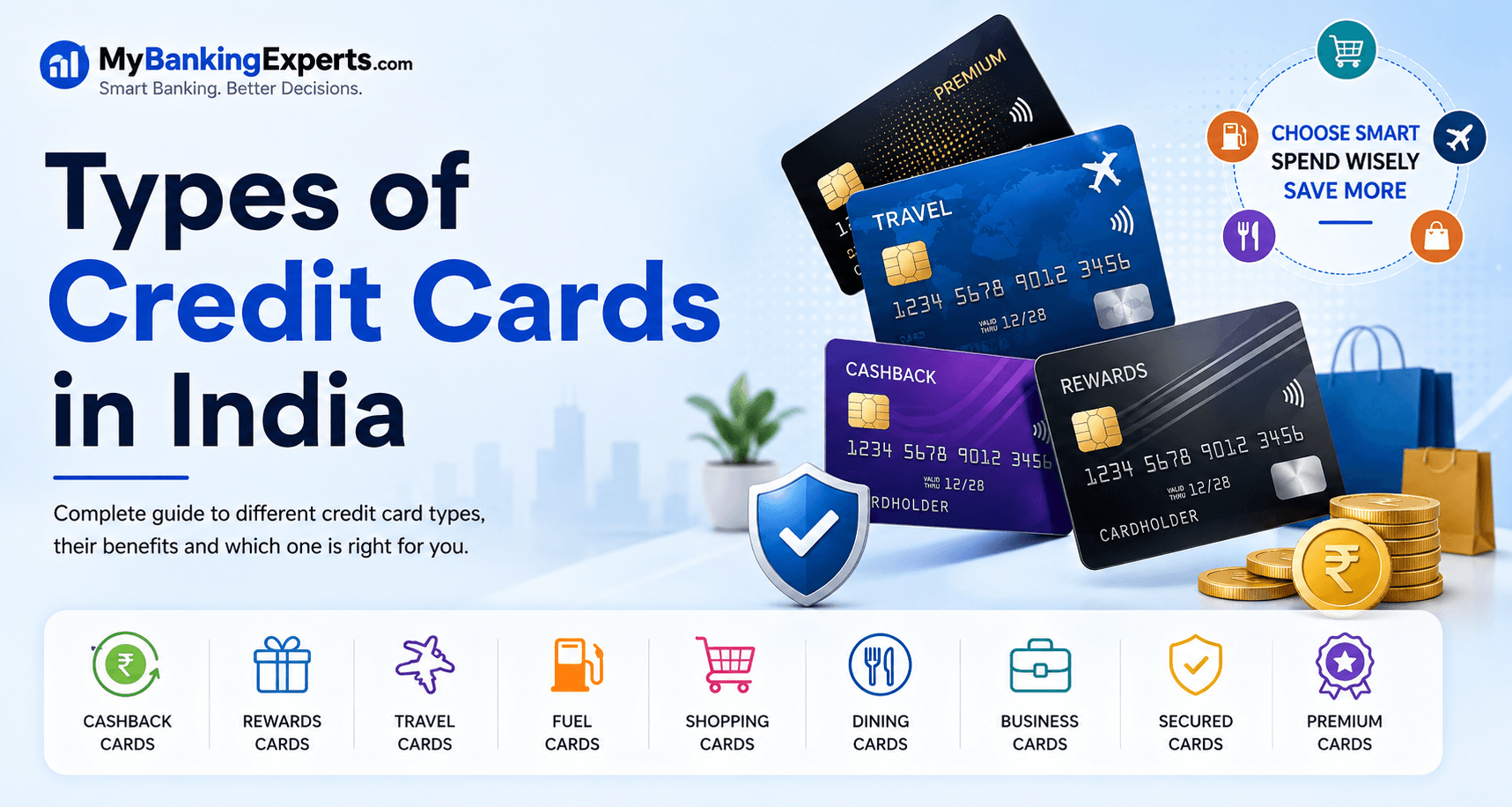
Credit cards have become an essential financial tool for millions of Indians, offering convenience, rewards, and a safety net for emergencies. However, not all credit cards are created equal. Choosing the right type can save you money, boost your credit score, and align with your spending habits. This guide walks you through the most common credit card categories in India, their key features, and actionable tips to make the best choice.
Who they are for: Shoppers who love earning points, miles, or cash back on everyday purchases.
Reward Structure: Points per rupee spent, often higher on specific categories like groceries, fuel, or travel.
Redemption Options: Merchandise, airline tickets, hotel stays, or statement credit.
Annual Fee: Usually moderate to high, justified by the value of rewards.
Calculate the effective cash‑back rate. If a card offers 5% on groceries and you spend ₹10,000/month, you earn ₹500 in rewards – compare this against the annual fee.
Look for “no‑expiry” points or easy conversion to airline miles.
Pay the full balance each month to avoid interest eroding your rewards.
Who they are for: Frequent flyers and holiday planners who want airline miles, lounge access, and travel‑related perks.
Miles Accrual: Earn miles on all spends, with bonus miles on flight bookings and hotel stays.
Lounge Access: Domestic or international airport lounge passes.
Travel Insurance: Complimentary travel insurance coverage.
Annual Fee: Higher, but often offset by travel benefits.
Check if the card partners with airlines you frequently use (e.g., Vistara, Air India, Indigo).
Make sure the mileage conversion rate is favorable – some cards give 1 mile per ₹100, others 2 miles per ₹100.
If you travel abroad, prefer cards with zero foreign‑transaction fees.
Who they are for: Users who prefer instant cash back over points or miles.
Flat Cashback: Fixed percentage (e.g., 1%–5%) on all purchases.
Category‑Specific Boosts: Higher cash back on groceries, utility bills, or online shopping.
Low to No Annual Fee: Many cards come with minimal fees.
Choose a card where the cash‑back percentage on your highest‑spend categories exceeds the annual fee.
Some cards automatically credit cash back to the statement; others issue a voucher – pick the format that suits you.
Avoid cash advances; they usually carry no cash‑back and high interest.
Who they are for: High‑net‑worth individuals who demand exclusive services, higher credit limits, and concierge support.
Higher credit limits (often >₹5 lakh).
Complimentary airport lounge access worldwide.
Personal concierge, travel upgrades, and premium insurance.
Annual fees can be ₹10,000–₹25,000.
Make sure you can comfortably offset the fee with the perks you actually use.
Maintain a good credit utilization ratio (<30%) to keep the card in good standing.
Leverage the concierge for booking hard‑to‑get restaurant tables or flight upgrades.
Who they are for: College students or young professionals building credit history.
Lower credit limits (₹10,000–₹50,000).
Minimal or no annual fee.
Basic reward structure – often cash back on groceries or online spend.
Educational resources on credit management.
Use the card for regular, small purchases (e.g., groceries, transport) and pay the full balance each month.
Monitor your credit score through the bank’s portal; early positive entries boost future loan eligibility.
Avoid late payments – they impact credit history more severely for new borrowers.
Who they are for: Small‑business owners, startups, and freelancers who need to separate personal and business expenses.
Expense‑tracking tools and integration with accounting software.
Higher credit limits based on business turnover.
Reward categories tailored for business spend (e.g., office supplies, travel).
Possibility of multiple employee cards with customizable limits.
Choose a card that offers easy export of transaction data to your accounting system.
Leverage category‑specific rewards to lower operational costs.
Keep personal and business expenses separate to maintain clean financial records.
Who they are for: Customers loyal to a particular airline, retail chain, or e‑commerce platform.
Accelerated points on the partner brand (e.g., 5% on Flipkart, 4% on Amazon).
Exclusive partner offers, early‑bird sales, or discount vouchers.
Often lower annual fees than generic reward cards.
Only adopt a co‑branded card if you regularly shop with the partner; otherwise, you may earn fewer points overall.
Check for “dual‑earning” – you can earn both partner points and generic rewards simultaneously.
Watch out for expiry dates on earned points; some partners have short redemption windows.
Identify Your Primary Spend Category: Grocery, travel, online shopping, or business expenses?
Calculate the Effective Reward Rate: (Reward % × Monthly Spend) – Annual Fee.
Check Fees & Interest: Annual fee, late‑payment fee, and interest rate (APR). Lower APR matters if you occasionally carry a balance.
Review Additional Perks: Insurance, lounge access, concierge, or expense‑tracking tools.
Assess Eligibility: Income requirements, credit score, and documentation needed.Read the Fine Print: Reward caps, point expiry, and foreign‑transaction fees.
By following this checklist, you can align the card’s benefits with your lifestyle and avoid hidden costs.
Visit the official websites of major Indian banks (SBI, HDFC, ICICI, Axis, Kotak) and compare the cards using their “compare” tool.
Use a credit‑card calculator (many financial blogs provide free tools) to simulate your annual savings.
Apply online – most banks offer instant e‑KYC, and you can receive the card within 7–10 days.
Set up automatic payment reminders to ensure you never miss a due date.
Monitor your credit score on platforms like CIBIL, Experian, or PaisaBazaar after the first 3–6 months.
India’s credit‑card market offers a card for almost every need—whether you chase travel miles, crave cash back, or need a tool for your business. Understanding the distinct features, fees, and reward structures empowers you to pick a card that truly adds value. Remember, the best credit card is the one that fits your spending habits, helps you stay financially disciplined, and enhances your overall financial health.